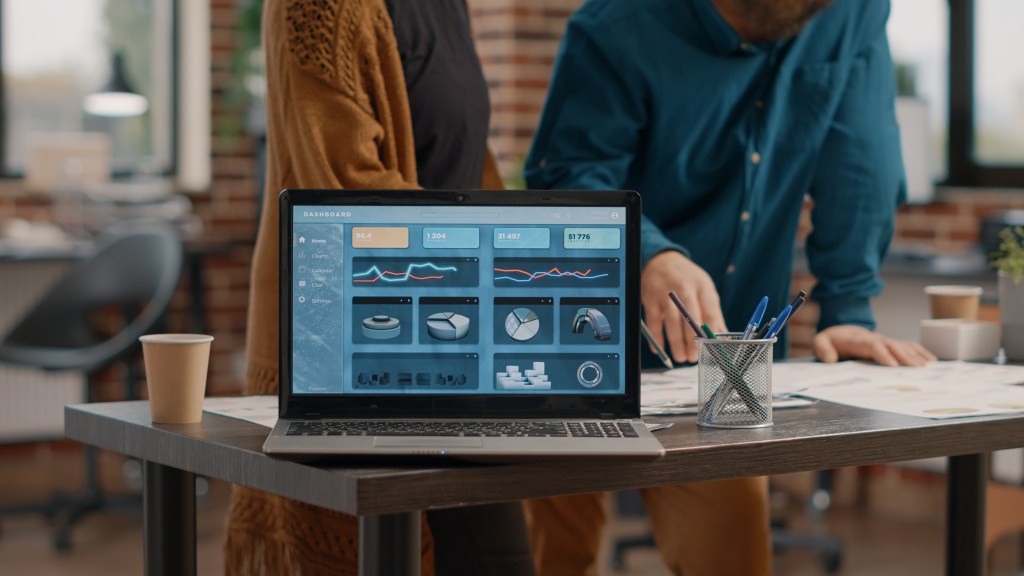
As a SaaS (Software as a Service) company, one of the most effective ways to showcase the value of your product is through engaging and persuasive product demonstrations. A well-executed demo can not only capture the attention of potential customers but also convince them to become paying clients.
A product demo allows your target audience to experience firsthand how your software can solve their pain points and improve their workflows. It gives them a taste of what it would be like to use your product on a daily basis and helps them envision the benefits it can bring to their organization. By providing an interactive and immersive experience, you can effectively communicate the unique value proposition of your SaaS product.
Understanding Your Target Audience
Before diving into the demo creation process, it is essential to have a deep understanding of your target audience. Who are they? What are their pain points? And, how your product will address these pain areas? By answering these questions, you can personalize the demo accordingly.
Start by conducting thorough market research and interviewing your existing customers to gain insights into your target audience’s needs and preferences. This will help you identify the key features and benefits of your SaaS product that are most relevant to them. By aligning your demo with their specific pain points and aspirations, you can create a compelling narrative that captures their attention and keeps them engaged throughout the presentation.
Plan and Structure Your Demo
Once you have a clear understanding of your target audience, it’s time to plan your demo. Start by defining your objectives. What do you want to achieve with the demo? Is it to showcase a specific feature, highlight the ease of use, or demonstrate the impact on productivity? Clearly defining your objectives will guide the structure and content of your demo.
Next, outline the flow of your demo. Start with a captivating introduction that grabs the audience’s attention and sets the stage for what’s to come. Then, systematically walk through the key features and benefits of your product, ensuring that each step builds upon the previous one. Use a logical and intuitive flow that allows your audience to follow along easily.
Finally, prepare a script to guide your presentation. While it’s important to sound natural and spontaneous, having a script will help you stay on track and ensure that you cover all the essential points. Practice your script multiple times to refine your delivery and make it effortless. However, as you get experience, it is always better to have a spontaneous discussion and not bound to follow the script completely.
Crafting an Engaging and Persuasive Demo Script
The script of your demo is the backbone of your presentation. It is the roadmap that guides you through the demo and helps you effectively communicate the value of your SaaS product. Crafting an engaging and persuasive demo script requires a deep understanding of your audience’s pain points and aspirations, as well as the unique value proposition of your product.
Start by clearly articulating the problem your SaaS product solves. Highlight the pain points and challenges that your target audience faces and emphasize how your product can alleviate those issues. Then, introduce your product as the solution to their problems, focusing on the key features and benefits that address their specific needs.
Throughout the script, use language that resonates with your target audience. Use storytelling techniques to paint a vivid picture of how your product can transform their workflows and improve their lives. Incorporate real-life examples and success stories to demonstrate the tangible results they can achieve by using your software.
Remember to keep your script concise and focused. Avoid technical jargon and keep the language simple and easy to understand. Use bullet points and visuals to break up the text and make it more visually appealing. By crafting a compelling script, you can captivate your audience and keep them engaged from start to finish.
Using Visuals and Interactive Elements in Your Demo
While the script is crucial, incorporating visuals and interactive elements can take your demo to the next level. Visuals help to convey information more effectively and engage the audience’s visual senses. They can include screenshots, videos, infographics, and slides that showcase the key features and benefits of your SaaS product.
When using visuals, ensure they are high-quality and visually appealing. Use a consistent design theme that aligns with your brand identity. Keep the visuals simple and uncluttered, focusing on the most important information. Use clear labels and annotations to guide the audience’s attention to the key elements you want to highlight.
In addition to visuals, interactive elements can enhance the engagement and interactivity of your demo. This can include live demonstrations, interactive tutorials, and hands-on exercises that allow your audience to experience your product in action. By giving them a chance to interact with your software, you can create a more immersive and memorable experience.
However, be mindful not to overwhelm your audience with too many interactive elements. Strike a balance between demonstration and participation to keep them engaged without feeling overwhelmed or confused. Remember, the goal is to showcase the value of your product, not to showcase your technical prowess.
Demonstrating Key Features and Benefits
During your demo, it is essential to highlight the key features and benefits of your SaaS product. These are the elements that differentiate your product from competitors and provide unique value to your customers. By demonstrating these features and benefits effectively, you can convince your audience that your product is the right choice for them.
Start by identifying the most important features that directly address your target audience’s pain points. Focus on the benefits that these features bring and emphasize how they can solve specific challenges. Use real-life examples and case studies to illustrate how your product has helped other customers achieve their goals.
When demonstrating features, be clear and concise. Show the audience how each feature works, step by step, and explain how it can be applied to their specific use cases. Use visuals and interactive elements to make the demonstration more engaging and memorable. Remember to highlight the unique selling points of your product and how they differentiate you from competitors.
Overcoming Objections and Addressing Concerns
During your SaaS product demo, it’s common for potential customers to have objections and concerns. These can range from pricing and implementation issues to questions about security and scalability. It’s important to anticipate these objections and address them proactively during your demo to build trust and credibility.
Before the demo, compile a list of common objections and concerns that your target audience may have. Prepare well-thought-out responses that address these objections and provide reassurance. Be transparent and honest in your answers, and if you don’t have an immediate solution, promise to follow up with more information.
During the demo, listen actively to your audience’s questions and concerns. Encourage them to ask questions and address their concerns promptly and thoroughly. Use real-life examples and case studies to demonstrate how your product has successfully overcome similar objections in the past. By addressing objections head-on, you can build trust and confidence in your SaaS product.
Tips for Delivering a Memorable and Impactful Demo
Delivering a memorable and impactful demo requires more than just a well-crafted script and engaging visuals. It also requires effective presentation skills and a deep understanding of your audience’s needs and preferences. Here are some tips to help you deliver a demo that leaves a lasting impression:
- Practice, practice, practice: Rehearse your demo multiple times to ensure a smooth and confident delivery. Familiarize yourself with the script and the flow of the demo to avoid any hiccups.
- Be enthusiastic and passionate: Show genuine excitement for your product and its potential impact. Your enthusiasm will be contagious and help captivate your audience.
- Use storytelling techniques: Incorporate storytelling techniques to make your demo more engaging and relatable. Use real-life examples and success stories to illustrate the value of your product.
- Tailor the demo to your audience: Customize your demo to resonate with your specific audience. Use language, examples, and visuals that align with their industry and pain points.
- Be flexible and adaptable: Be prepared to adapt your demo on the fly based on your audience’s reactions and questions. Demonstrate your product in a way that addresses their specific needs and concerns.
- Leave time for Q&A: Allocate time at the end of your demo for questions and answers. This allows your audience to clarify any doubts and ensures a more interactive and engaging experience.
Analyzing and Optimizing Your Demos for Maximum Impact
Once you have delivered your demos, the learning process doesn’t end there. Analyzing and optimizing your demos is crucial for continuous improvement and maximizing their impact. Here are some strategies to help you analyze and optimize your demos:
- Collect feedback: Gather feedback from your audience after each demo. This can be done through surveys, interviews, or online feedback forms. Ask specific questions about what they liked, what could be improved, and what additional information they would have liked to see.
- Review performance metrics: Track key performance metrics such as conversion rates, engagement time, and drop-off points in your demos. Analyze the data to identify areas of improvement and optimize your demos accordingly.
- Conduct A/B testing: Test different versions of your demos to see which one performs better. Experiment with different scripts, visuals, and interactive elements to find the most effective combination.
- Incorporate user feedback: Listen to your customers’ feedback and incorporate their suggestions and requests into your demos. This shows that you value their input and are committed to continuously improving your product.
- Learn from successful demos: Look back at your most successful demos and analyze what made them stand out. Identify the elements that resonated with your audience and replicate them in future demos.
By analyzing and optimizing your demos, you can continuously improve their effectiveness and increase their impact on potential customers.
Conclusion
Mastering the art of SaaS product demos is essential for any SaaS company looking to showcase the value of their product to potential customers. By understanding your target audience, planning your demo, crafting an engaging script, using visuals and interactive elements, demonstrating key features and benefits, addressing objections, and delivering a memorable presentation, you can create impactful demos that drive conversions and boost your sales. Remember to continuously analyze and optimize your demos to ensure maximum impact and continuously improve your presentation skills. With these strategies in place, you’ll be well on your way to mastering the art of SaaS product demos and driving success for your SaaS business.


 B2BWIRES
Leave a comment