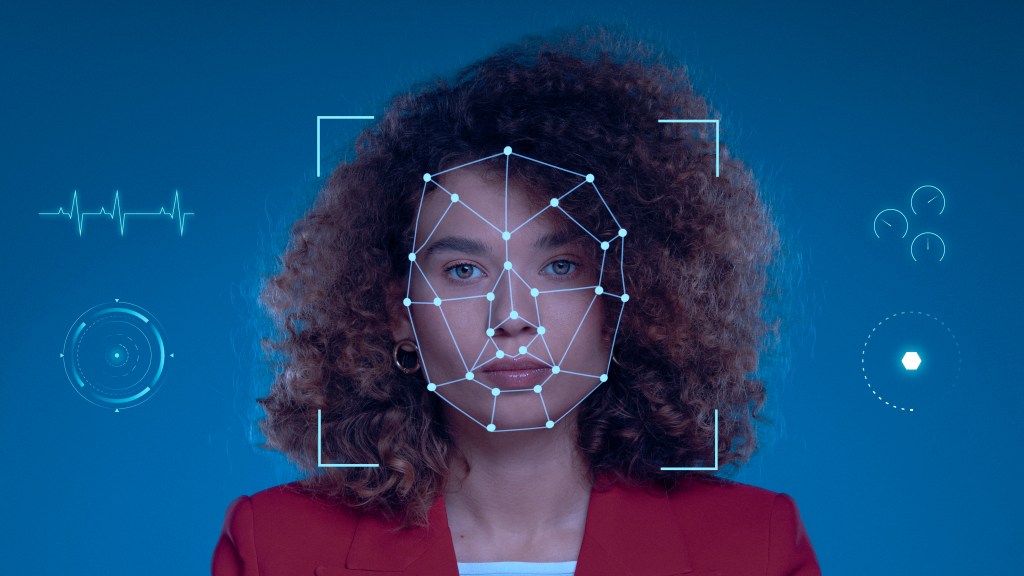
What is Hyper-Personalization in B2B Marketing?
It’s crucial for B2B marketers to go beyond generic marketing tactics and truly understand the power of hyper-personalization. Hyper-personalization refers to the practice of Personalized marketing experiences to meet the unique needs and preferences of individual B2B clients. By leveraging data and technology, businesses can create highly personalized campaigns that resonate with their target audience on a deeper level.
Hyper-personalization goes beyond simply addressing a client by their first name in an email. It involves analyzing and understanding their behavior, interests, pain points, and goals. This level of personalization allows B2B marketers to deliver relevant content, offers, and experiences that are more likely to capture the attention and loyalty of their clients.
The Importance of Personalized Experiences for B2B Buyers
In the B2B space, where complex buying decisions are involved, providing personalized experiences is paramount. B2B clients are looking for solutions that address their specific challenges and help them achieve their business objectives. By personalizing the marketing experience, businesses can demonstrate that they understand their clients’ unique needs and are committed to helping them succeed.
Personalized experiences also foster stronger customer relationships. When B2B clients feel understood and valued, they are more likely to engage with a brand, make repeat purchases, and become advocates. This can lead to increased customer loyalty and long-term business growth.
Benefits of Hyper-Personalization in B2B Marketing
Implementing a hyper-personalization strategy in B2B marketing offers several benefits. Firstly, it improves customer engagement. By delivering relevant content and offers based on individual client preferences, businesses can capture their attention and encourage interaction. This leads to higher click-through rates, longer website visits, and increased conversions.
Secondly, hyper-personalization enhances customer satisfaction. When B2B clients receive customized experiences that cater to their unique needs, they feel valued and understood. This fosters a positive perception of the brand and increases customer satisfaction levels.
Lastly, hyper-personalization drives revenue growth. By delivering personalized offers and recommendations, businesses can increase cross-selling and upselling opportunities. When clients receive personalized suggestions that align with their needs, they are more likely to make additional purchases, resulting in increased revenue for the business.
According to a survey conducted by Evergage, 88% of marketers reported a measurable lift in business results due to personalized experiences. Additionally, 63% of respondents stated that they saw improved customer experiences and increased conversion rates as a result of personalization efforts.
Another study by Salesforce revealed that 70% of business buyers say that the most important aspect of a B2B vendor’s website is demonstrating an understanding of their needs. This highlights the significance of hyper-personalization in capturing and retaining B2B clients.
With such compelling statistics, it’s evident that hyper-personalization is not just a passing trend but a strategic imperative for B2B marketers.
Crafting a Hyper-Personalization Strategy for B2B Clients
Crafting an effective hyper-personalization strategy requires careful planning and execution. Here are the key steps to follow:
- Define your target audience: Start by clearly identifying your ideal B2B clients. Understand their pain points, goals, and preferences to create personalized experiences that resonate with them.
- Gather and analyze data: Collect and analyze relevant data to gain insights into your target audience’s behaviors, preferences, and buying patterns. Utilize CRM systems, website analytics, and other tools to gather this valuable information.
- Segment your audience: Divide your target audience into distinct segments based on shared characteristics or behaviors. This allows you to personalize your marketing efforts to each segment’s specific needs.
- Develop personalized content: Create content that speaks directly to each segment of your target audience. This could include personalized emails, blog posts, case studies, or whitepapers that address their pain points and offer solutions.
- Leverage automation and AI: Utilize marketing automation and AI technologies to deliver personalized experiences at scale. These tools can help you automate the delivery of personalized content and recommendations based on individual client preferences.
- Test and optimize: Continuously test and optimize your hyper-personalization campaigns to ensure they are delivering the desired results. Monitor key metrics such as engagement rates, conversion rates, and customer satisfaction levels to identify areas for improvement.
By following these steps, you can create a hyper-personalization strategy that effectively engages and converts B2B clients.
Key Elements of a Successful Hyper-Personalization Campaign
To ensure the success of your hyper-personalization campaign, it’s important to include the following key elements:
- Data-driven insights: Base your personalization efforts on accurate and up-to-date data. This will enable you to understand your clients better and deliver relevant experiences.
- Real-time personalization: Implement real-time personalization to deliver timely and contextually relevant content and offers. This requires leveraging technologies that can capture and analyze data in real-time.
- Omnichannel approach: Deliver personalized experiences across multiple channels, including email, social media, website, and offline touchpoints. This ensures consistency and maximizes the impact of your personalization efforts.
- Continuous optimization: Regularly analyze the performance of your hyper-personalization campaigns and make necessary adjustments to improve results. This includes testing different personalization tactics, refining segmentation strategies, and optimizing content.
By incorporating these elements into your hyper-personalization campaigns, you can maximize their effectiveness and drive better results for your B2B clients.
Tools and Technologies for Hyper-Personalization in B2B Marketing
Implementing hyper-personalization in B2B marketing requires the right tools and technologies. Here are some essential ones to consider:
- Customer Relationship Management (CRM) systems: CRM systems help you gather, organize, and analyze customer data, allowing you to create personalized experiences based on individual preferences and behaviors.
- Marketing automation platforms: These platforms enable you to automate the delivery of personalized content and offers. They can also track and analyze customer interactions, helping you refine your personalization strategy.
- Artificial Intelligence (AI) and machine learning: AI and machine learning technologies can analyze vast amounts of data to uncover patterns, identify customer preferences, and make personalized recommendations.
- Personalization engines: Personalization engines use AI algorithms to deliver personalized content, recommendations, and offers based on customer data and behaviors.
By leveraging these tools and technologies, you can streamline and enhance your hyper-personalization efforts, delivering better experiences for your B2B clients.
Measuring the Effectiveness of Hyper-Personalization Efforts
To measure the effectiveness of your hyper-personalization efforts, it’s important to track key performance indicators (KPIs) that align with your marketing goals. Some relevant KPIs to consider include:
- Engagement rates: Monitor how clients interact with your personalized content and offers. Track metrics such as email open rates, click-through rates, and social media engagement to gauge their level of engagement.
- Conversion rates: Measure the percentage of B2B clients who take desired actions, such as making a purchase or requesting more information. This indicates the effectiveness of your hyper-personalization campaigns in driving conversions.
- Customer satisfaction levels: Survey your B2B clients to gather feedback on their satisfaction with the personalized experiences you provide. This will help you understand whether your hyper-personalization efforts are meeting their expectations.
- Revenue growth: Track the impact of hyper-personalization on your business’s revenue. Monitor metrics such as average order value, upsell and cross-sell rates, and customer lifetime value to assess the financial impact of your personalization efforts.
By regularly measuring and analyzing these KPIs, you can gain valuable insights into the effectiveness of your hyper-personalization efforts and make data-driven improvements.
In the ever-evolving B2B marketing landscape, hyper-personalization is set to play an increasingly important role. As technology continues to advance and customer expectations rise, businesses that can deliver personalized experiences will stand out from the competition.
By understanding the importance of hyper-personalization, crafting a solid strategy, leveraging the right tools and technologies, and measuring the effectiveness of your efforts, you can master the art of creating custom experiences for your B2B clients. Embrace hyper-personalization as a strategic imperative, and your business will be well-positioned for success in the future of B2B marketing.




 B2BWIRES
Leave a comment