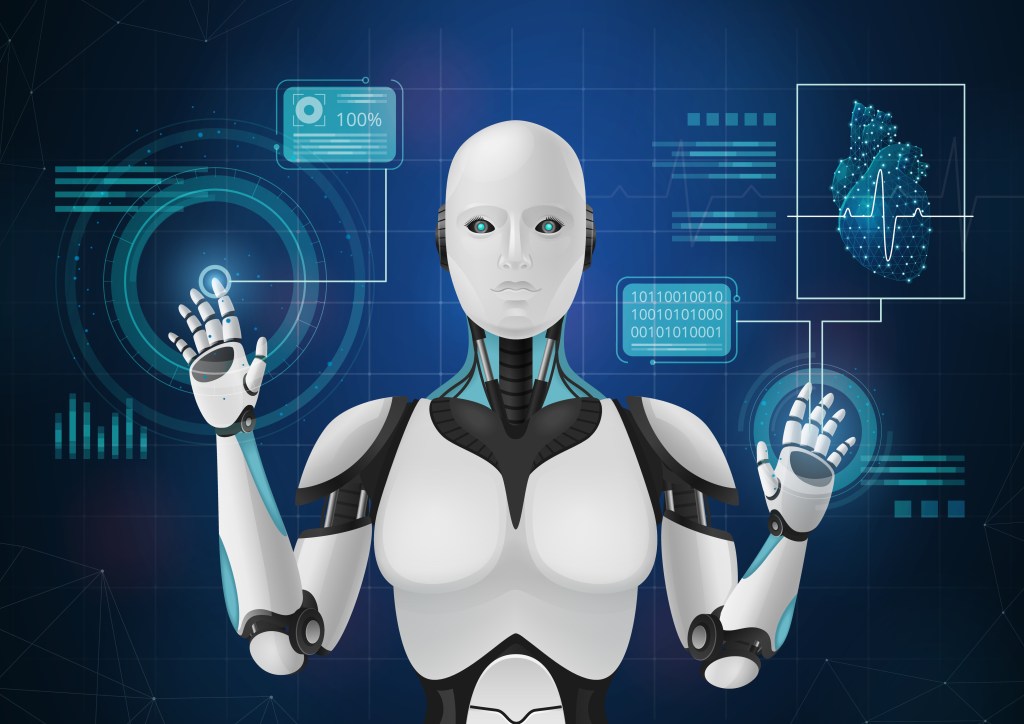
Introduction to AI-powered personalization in B2B marketing
In today’s competitive business landscape, B2B marketers are constantly seeking innovative ways to stand out from the crowd and drive success. One of the most promising strategies that has emerged in recent years is AI-powered personalization. This cutting-edge technology leverages artificial intelligence to deliver personalized marketing experiences that resonate with individual B2B buyers. By tailoring content, recommendations, and interactions to the unique preferences and needs of each prospect or customer, AI-powered personalization has the potential to revolutionize B2B marketing.
Understanding the benefits of AI-powered personalization in B2B marketing
The benefits of AI-powered personalization in B2B marketing are numerous and significant. Firstly, it allows marketers to engage with their target audience on a deeper level by delivering relevant and timely content. By analyzing vast amounts of data, AI algorithms can identify patterns, preferences, and behaviors, enabling marketers to create personalized experiences that align with the needs and interests of each individual buyer.
Secondly, AI-powered personalization enhances customer satisfaction and loyalty. When prospects and customers feel understood and catered to, they are more likely to develop a sense of trust and loyalty towards the brand. By tailoring messages and offers to their specific pain points and requirements, B2B marketers can create a strong emotional connection with their audience, leading to increased customer retention and advocacy.
Lastly, AI-powered personalization drives revenue growth. By providing personalized recommendations and offers, B2B marketers can increase the likelihood of conversion and upselling. When prospects and customers are presented with products or services that align with their specific needs, they are more likely to make a purchase. This not only boosts immediate revenue but also strengthens long-term customer relationships, resulting in sustainable business growth.
The role of AI in personalizing B2B marketing campaigns
AI plays a crucial role in personalizing B2B marketing campaigns. Traditional marketing approaches rely on manual segmentation and targeting, which can be time-consuming and prone to human error. AI-powered personalization, on the other hand, automates this process by analyzing vast amounts of data and identifying meaningful patterns and insights. By leveraging machine learning algorithms, AI can understand buyer behavior, preferences, and intent, enabling marketers to deliver highly relevant and personalized content at scale.
Furthermore, AI enables real-time personalization. By continuously analyzing data and making intelligent predictions, AI algorithms can adapt marketing messages and offers in real-time based on the buyer’s current context and needs. This level of dynamic personalization ensures that every interaction is tailored to the individual buyer, increasing the chances of engagement and conversion.
In addition, AI-powered personalization allows for hyper-personalization. Traditional segmentation methods often group buyers based on broad criteria such as industry or company size. AI, however, can segment buyers based on more granular and meaningful attributes, such as behavior, preferences, and buying stage. This enables B2B marketers to deliver personalized content and experiences that are highly relevant and valuable to each individual buyer, maximizing the impact of their marketing efforts.
AI-powered personalization techniques for B2B marketing
There are several AI-powered personalization techniques that B2B marketers can leverage to enhance their marketing campaigns. One such technique is predictive analytics, which uses AI algorithms to identify patterns and trends in historical data to make predictions about future behavior. By analyzing past interactions and outcomes, B2B marketers can anticipate the needs and preferences of individual buyers and deliver personalized content and offers accordingly.
Another technique is natural language processing (NLP), which enables AI systems to understand and process human language. By leveraging NLP, B2B marketers can analyze customer feedback, social media conversations, and other textual data to gain valuable insights into customer sentiment and preferences. This information can then be used to personalize marketing messages and offers to resonate with individual buyers.
Furthermore, recommendation engines powered by AI can be used to deliver personalized product or content recommendations based on the buyer’s previous interactions or similar buyer profiles. By analyzing the buyer’s behavior and preferences, these recommendation engines can suggest relevant products or content that align with the buyer’s needs, increasing the chances of conversion.
Implementing AI-powered personalization in your B2B marketing strategy
Implementing AI-powered personalization in your B2B marketing strategy requires careful planning and execution. Here are some key steps to consider:
- Define your objectives: Clearly define what you want to achieve with AI-powered personalization. Whether it’s improving conversion rates, increasing customer satisfaction, or driving revenue growth, having clear objectives will guide your implementation strategy.
- Collect and analyze data: Data is the fuel that powers AI-powered personalization. Collect and analyze relevant data from various sources, such as CRM systems, website analytics, and customer feedback. This data will provide valuable insights into buyer behavior and preferences, enabling you to personalize your marketing efforts effectively.
- Choose the right AI tools and platforms: There are numerous AI tools and platforms available in the market. Evaluate your needs and choose the ones that align with your objectives and budget. Consider factors such as ease of use, scalability, and integration capabilities.
- Build personalized buyer personas: Use the data collected to create detailed buyer personas that capture the unique characteristics and preferences of your target audience. This will help you tailor your marketing messages and offers to resonate with individual buyers.
- Test and optimize: Implement AI-powered personalization in your marketing campaigns and continuously monitor and analyze the results. Test different personalization techniques and strategies to identify what works best for your audience. Use the insights gained to optimize your campaigns and improve performance.
Challenges and considerations when using AI-powered personalization in B2B marketing
While AI-powered personalization offers immense potential, there are also challenges and considerations that B2B marketers need to be aware of. Some of these include:
- Data privacy and security: Collecting and analyzing customer data raises concerns around data privacy and security. B2B marketers must ensure that they comply with relevant data protection regulations and implement robust security measures to protect customer information.
- Ethical considerations: AI-powered personalization raises ethical questions around transparency and fairness. B2B marketers must be transparent about the use of AI and ensure that personalization efforts are fair and unbiased.
- Data quality and accuracy: AI algorithms are only as good as the data they are trained on. B2B marketers need to ensure that the data they collect is accurate, reliable, and representative of their target audience to avoid biases and inaccuracies in personalization efforts.
- Integration challenges: Integrating AI tools and platforms with existing marketing systems and processes can be complex. B2B marketers need to consider factors such as compatibility, scalability, and ease of integration when choosing AI solutions.
Tools and platforms for AI-powered personalization in B2B marketing
There are several tools and platforms available that can help B2B marketers implement AI-powered personalization in their marketing efforts. Some popular ones include:
- Salesforce Einstein: Salesforce Einstein is an AI-powered platform that offers personalization capabilities for B2B marketers. It leverages machine learning algorithms to analyze customer data and deliver personalized recommendations and insights.
- Adobe Target: Adobe Target is a personalization platform that allows B2B marketers to create and deliver personalized experiences across multiple channels. It offers AI-powered capabilities such as automated segmentation and real-time personalization.
- Optimizely: Optimizely is an experimentation platform that enables B2B marketers to test and optimize their personalization efforts. It offers AI-powered capabilities such as predictive analytics and recommendation engines.
- Google Cloud AutoML: Google Cloud AutoML is a suite of AI tools that allows B2B marketers to build and deploy custom machine learning models for personalization. It offers capabilities such as natural language processing and image recognition.
Future trends in AI-powered personalization for B2B marketing
The future of AI-powered personalization in B2B marketing looks promising, with several trends shaping the industry. Some key trends to watch out for include:
- Hyper-personalization: As AI algorithms become more advanced, B2B marketers will be able to deliver even more personalized experiences. Hyper-personalization will involve tailoring marketing messages, offers, and experiences to the individual buyer’s specific preferences, context, and needs.
- Voice-activated personalization: With the rise of voice assistants such as Amazon Alexa and Google Assistant, voice-activated personalization will become increasingly important. B2B marketers will need to optimize their content and experiences for voice search and leverage AI-powered voice recognition and natural language processing technologies.
- Augmented reality (AR) and virtual reality (VR): AR and VR technologies offer exciting opportunities for AI-powered personalization. B2B marketers can use these technologies to deliver immersive and personalized experiences that engage and captivate their target audience.
- Data-driven decision making: AI-powered personalization relies heavily on data. In the future, B2B marketers will increasingly rely on data-driven decision making to optimize their personalization efforts. This will involve leveraging AI-powered analytics tools to gain insights from data and make informed marketing decisions.
Conclusion: Leveraging the power of AI for B2B marketing success
AI-powered personalization is a game changer for B2B marketing. By leveraging artificial intelligence, B2B marketers can deliver personalized experiences that resonate with individual buyers, driving engagement, loyalty, and revenue growth. However, implementing AI-powered personalization requires careful planning, consideration of challenges, and the use of appropriate tools and platforms. As the future of B2B marketing continues to evolve, AI-powered personalization will play an increasingly critical role in driving success. So, embrace the power of AI and unlock the potential of personalized marketing in your B2B strategy.



 B2BWIRES
Leave a comment